No products in the cart.
Breaking barriers in science: Dr. Rosalyn S. Yalow’s legacy
 Marie Timariu
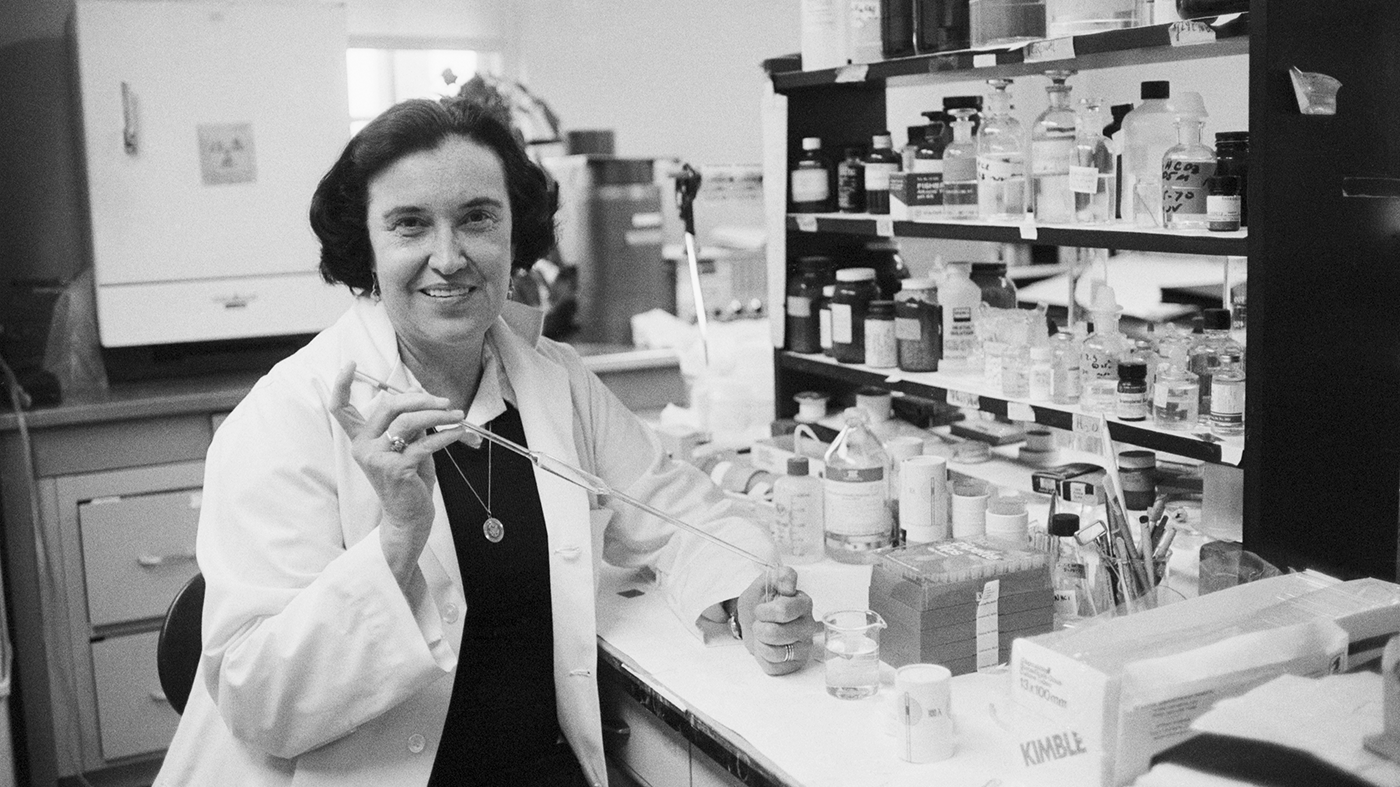
Rosalyn Sussman Yalow was a pioneering Jewish-American medical physicist who broke barriers and revolutionized biological science and diagnostic medicine. As a daughter of Orthodox Jewish parents in the Bronx, N.Y., she grew up in a community that valued learning despite limited resources. Her early passion for science—supported by teachers and self-study—set the stage for a remarkable career that reshaped how clinicians measure substances in the human body.
In 1977, Yalow achieved historic recognition as the second woman ever to win the Nobel Prize in Physiology or Medicine and the first American-born woman to do so in a scientific field. Her Nobel win remains a highlight in medical science and a singular achievement within the Veterans Affairs (VA) research community.
Born Rosalyn Sussman on July 19, 1921, Yalow’s upbringing reflected both Jewish cultural traditions and an enduring curiosity about the natural world. She pursued physics at Hunter College, graduating magna cum laude, and later earned a Ph.D. in nuclear physics from the University of Illinois at Urbana–Champaign during World War II—a period when opportunities for women in science were scarce.
In 1947, she began her long association with the Bronx Veterans Administration Hospital (now the James J. Peters VA Medical Center), where she ultimately would spend most of her professional life. Working initially in makeshift lab space, Yalow assembled equipment and forged a research program that pushed the boundaries of medical physics.
Her collaboration with physician Dr. Solomon Berson—which began in 1950—produced the groundbreaking method known as radioimmunoassay (RIA). This powerful technique uses radioactive tracers to quantify minute amounts of hormones and other substances in the bloodstream, down to extraordinarily low levels that were previously undetectable.
Continue reading the full article →
Source: VA News
Website: news.va.gov