No products in the cart.
Warning signs and ways to support Veterans in crisis
 Marie Timariu
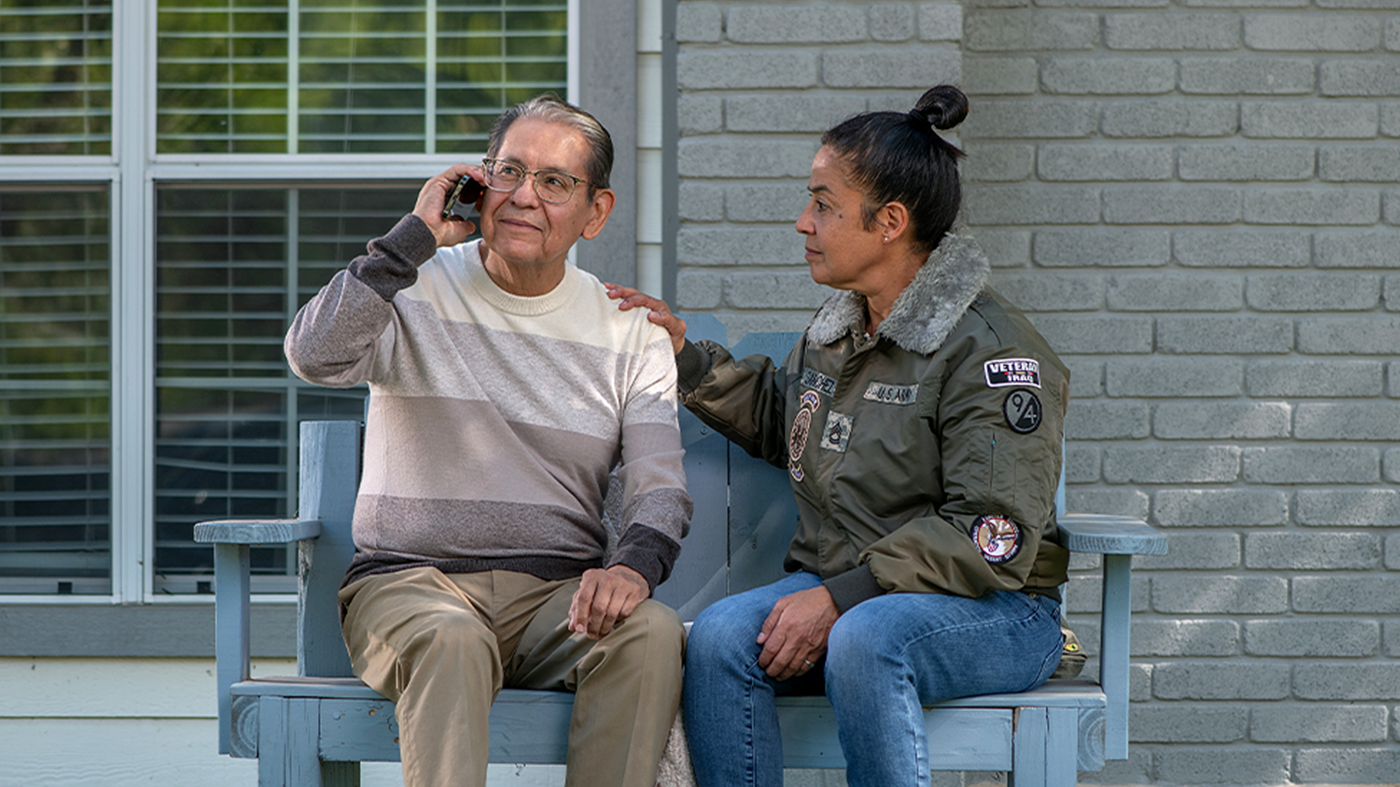
Veterans look out for their own. You’ve probably noticed when a buddy wasn’t acting like themselves. Maybe they were pulling away, talking differently or seeming a little more run-down than usual. You don’t need to be a doctor or an expert to help in those moments. Being present, paying attention and knowing what to do can help keep someone safe, or maybe save their life.
VA S.A.V.E. Training breaks this all down into simple, practical steps any Veteran, or anyone, can use when encountering a Veteran in a suicide crisis. You can find the full training online, but this is what it looks like in real life:
Changes in behavior, mood or routine can be signals that someone is dealing with more than they’re letting on. These might include increased anxiety, agitation or anger. Maybe they’re talking about feeling hopeless, engaging in risky activities without thinking, or drinking more alcohol than usual. Trust your gut if you notice any changes from their norm. Noticing these signs doesn’t mean you’re diagnosing anyone, it just helps you recognize when a friendly conversation with them matters more than usual.
“Are you thinking about killing yourself?” Asking someone this question directly shows that you care, and it will not put the idea into their mind. Don’t delay a conversation about suicide; it should be asked right away, once a Veteran indicates they may be at risk. Ask in a way that fits naturally with you and the Veteran. You don’t need the perfect words. Simple, honest questions work, like:
We want to avoid using vague phrases such as “hurting yourself,” as these can have different meanings to different people. Our Crisis Conversation Handout has additional practical language and information you can use when the conversation feels difficult. It can be a hard conversation, but you don’t have to go into it alone, or unprepared.
Continue reading the full article →
Source: VA News
Website: news.va.gov